Brand Identity for a Startup: What You Need First
New founders tend to do one of two things about branding: nothing at all, or far too much. Either a logo made in ten minutes that changes every month, or weeks spent on a brand book before there is a single customer. There is a sensible middle.
What a brand identity is
It is the set of decisions that make everything you put out look and sound like it came from the same company: the name, the logo, the colours, the lettering, and the way you write. A logo is one part of it.
What you need on day one
- A name you can actually use: easy to say and spell, with a website address and social handles available. Check trademarks before you fall in love with it.
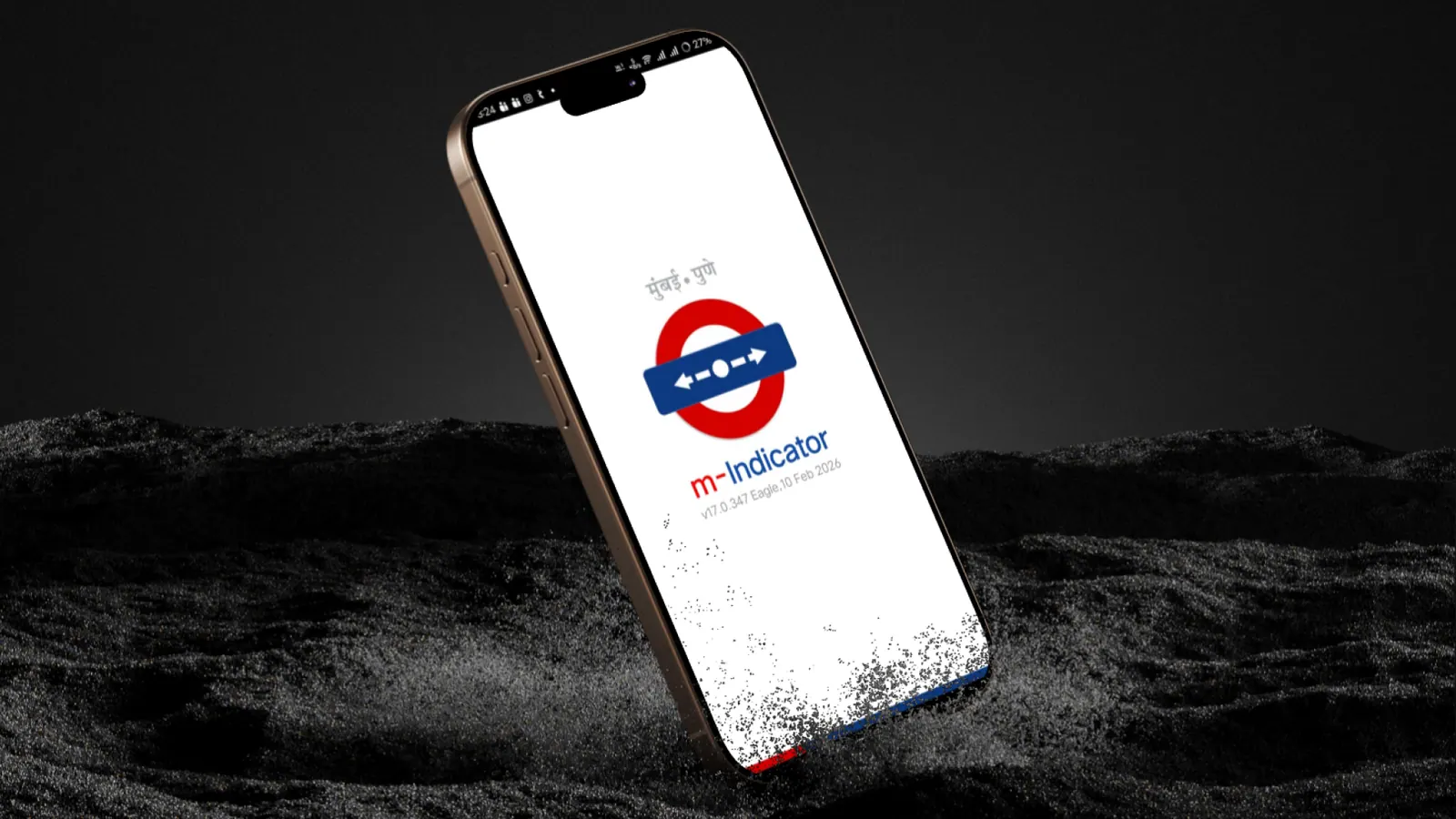
- A logo that works small. It will be seen most often as an app icon or a tiny square on a phone, not on a billboard. If it is unreadable at that size, it is not finished.
- Two or three colours and one or two typefaces, used the same way everywhere.
- A one-page guide: the logo, the colours with their codes, the fonts, and a few examples of right and wrong use.
- The files: a vector version, versions for light and dark backgrounds, and an icon-only version.
What can wait
A long brand manual, a mascot, custom illustration, a full stationery set. They are worth doing once the business has found its feet and you know what you are building a brand around.
Where your brand is really seen
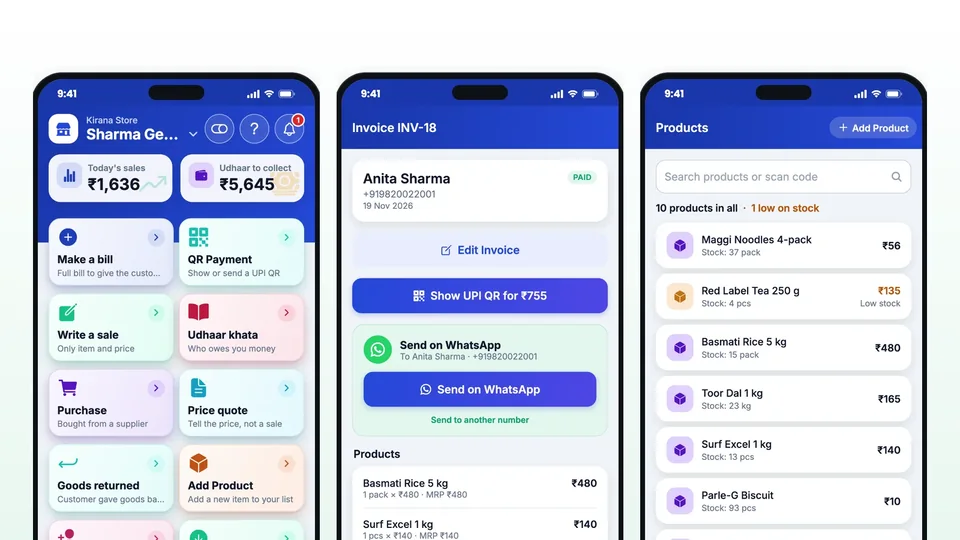
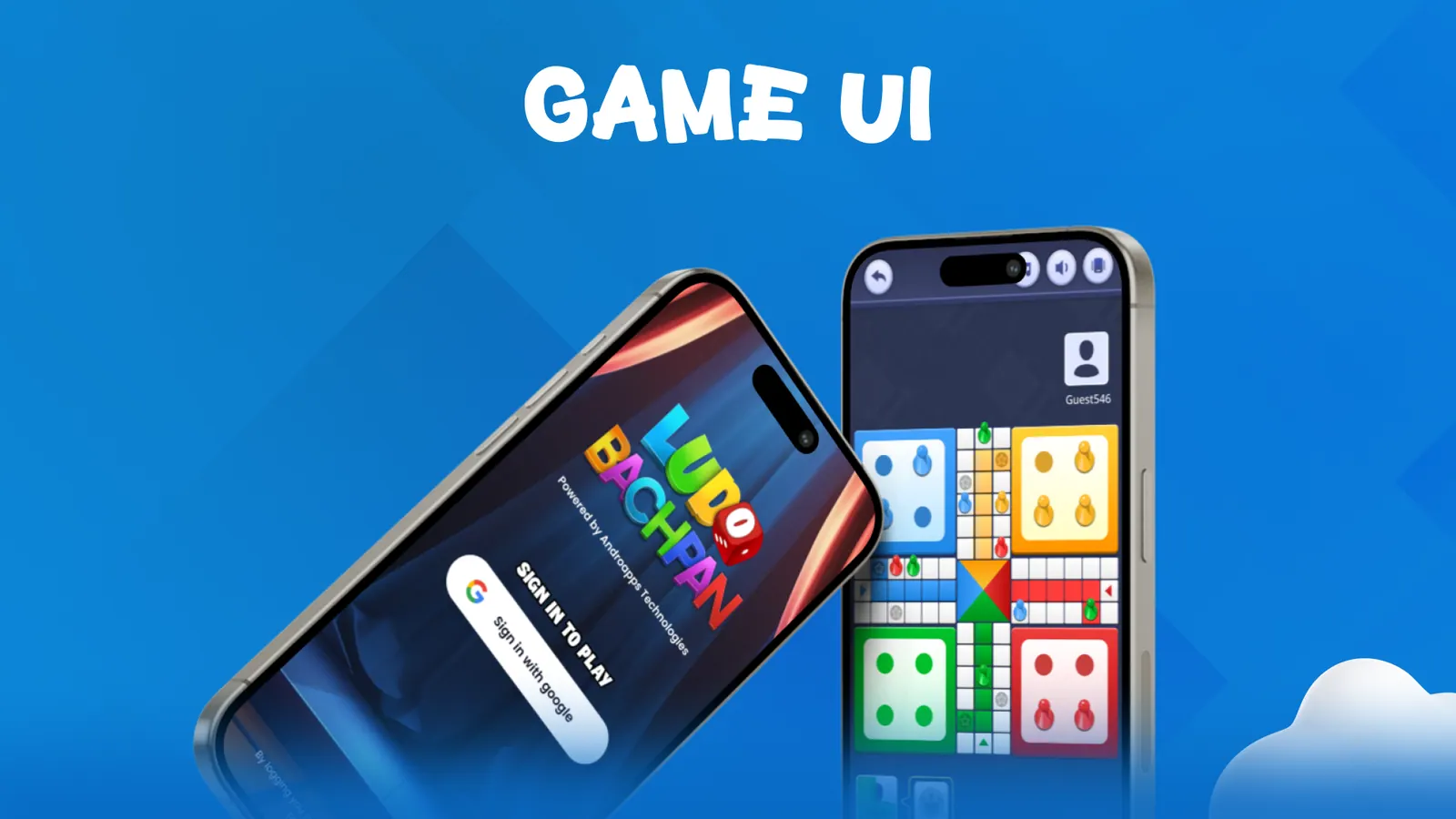
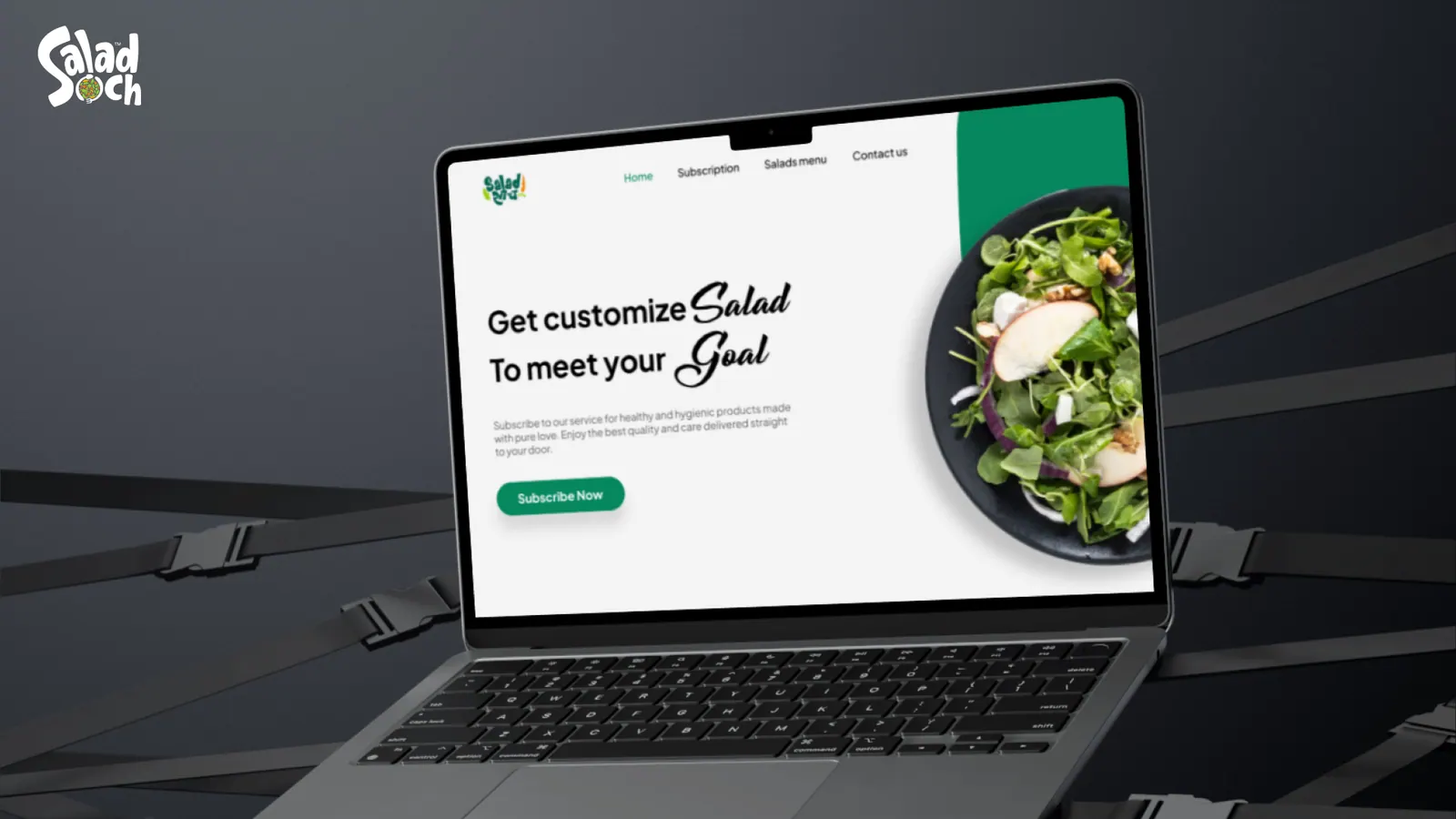
For a digital business, the brand lives in the product: the app icon, the first screen, the store listing, the website’s first three seconds, the confirmation message after an order. This is why brand and interface design should be done together. An identity drawn only for a letterhead often falls apart inside an app.
Consistency beats cleverness
People trust what they recognise. A plain identity used the same way on the app, the website, the invoice and the Instagram page looks more established than a brilliant one used five different ways. Most of branding, after the first month, is discipline.
How to brief a designer
- Who the customer is, as specifically as you can.
- What you sell and what makes you different, in two sentences.
- Three brands you like the look of and three you do not, with a reason for each.
- Where the identity will be used first: app, website, packaging, shop front.
- Anything fixed: an existing name, a colour you must keep, a legal requirement.
A brief like that gets you options that are different from each other for a reason, instead of the same idea in five colours.
When to rebrand
When the business has changed and the identity no longer describes it — a new audience, a merger, a name you have outgrown. Not because you are bored of it; you see your logo far more often than your customers do.
We design identities alongside the apps and websites that carry them. See branding and digital growth or start a conversation.