Website, Web App or Custom Software: Which Does Your Business Need?
People use “website” for almost anything that opens in a browser. But a company site, an online portal and the software a business runs on are different jobs, and mixing them up is how projects end up twice the size, or half as useful, as they should be.
A website: so people can find and trust you
A website presents. It says who you are, what you sell, where you are and how to reach you. Visitors read; they rarely sign in. Its job is to be found in search, load quickly on a phone and turn a visit into a call or an enquiry.
You need one if customers look you up before they buy — which, for almost every business, they do.
A web application: so people can do something
A web app is used, not read. People sign in and get things done: place an order, track a shipment, download an invoice, book a slot. It remembers who they are and shows each person their own data.
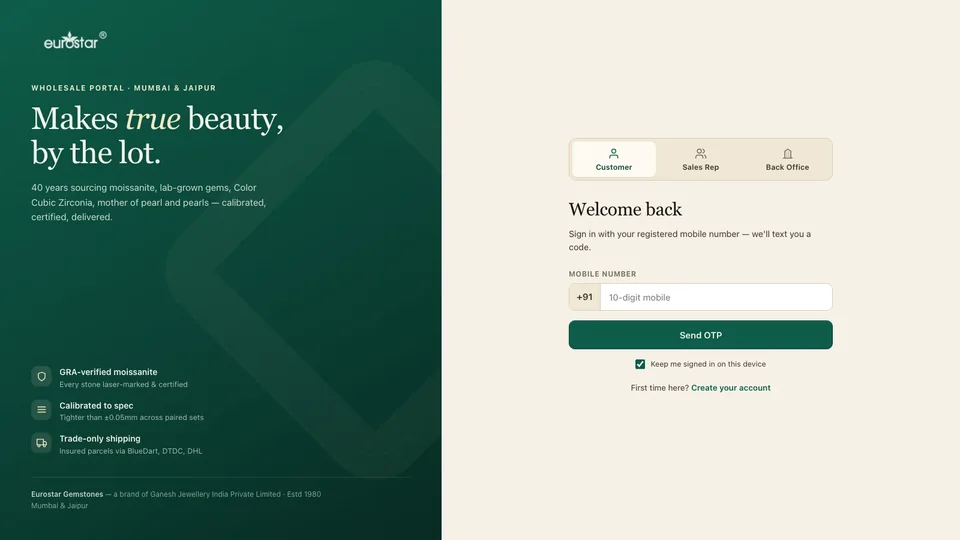
A wholesale portal is a good example. A buyer sees their prices and orders, a sales rep sees their customers, and the back office sees everything — three views of the same system. You need a web app when customers, dealers or partners should be able to serve themselves instead of phoning you.
Custom software: so the business itself runs
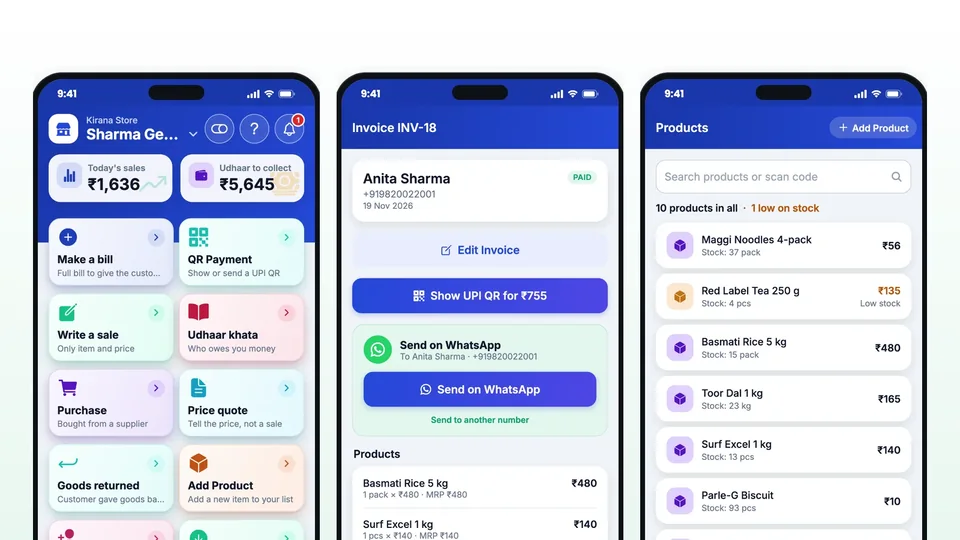
This is the system your own team works in all day: leads, quotations, stock, billing, staff, reports. Customers may never see it.
Ready-made software exists for most of this and is often the right choice. Custom software earns its cost when:
- Your process is your advantage, and ready-made tools force you to change it.
- You are running the business on spreadsheets and WhatsApp because nothing fits.
- You pay for five tools that do not talk to each other, and someone retypes data between them.
- You need reports that no package produces.
How to tell which one you need
- Who uses it? Strangers reading: a website. Customers signing in: a web app. Your own staff: software.
- Does it need a sign-in? If nobody signs in, it is a website.
- What happens if it is down for a day? If you lose enquiries, a website. If the business stops, it is software and should be built and hosted like it.
Most businesses need more than one
And they work best joined up: an enquiry form on the website that lands in the CRM, a portal that reads the same stock as the billing system. Building them as one connected system, rather than three separate purchases, is usually where the real saving is.
Start small
A good website can be live in weeks. Software is better built in stages — the part that hurts most first — than as one large project that delivers nothing for a year. We build all three; see web and custom solutions or tell us what you are trying to fix.